
Craft Cocktail Innovation and the Rise of Health-Conscious Alcoholic Beverages
Craft cocktails traditionally represent a meticulous approach to mixology, focusing on high-quality ingredients, balanced flavors, and artistic presentation. Recently, this artisanal spirit has evolved beyond mere taste and aesthetic, embracing health-conscious trends that are reshaping drinking culture worldwide. This transition reflects a growing consumer demand for beverages that not only delight the palate but also align with wellness values. According to a 2023 report by the global market research firm IWSR, the low- and no-alcohol beverage segment grew by over 20% in Asia-Pacific, underlining a significant shift toward health-aware drinking choices. This article explores how the craft cocktail movement is influencing the emergence of alcoholic beverages designed for health benefits, the changing cultural attitudes toward alcohol consumption, and relevant market trends driving this transformation.
Definition and Characteristics of Craft Cocktails as a Cultural Phenomenon
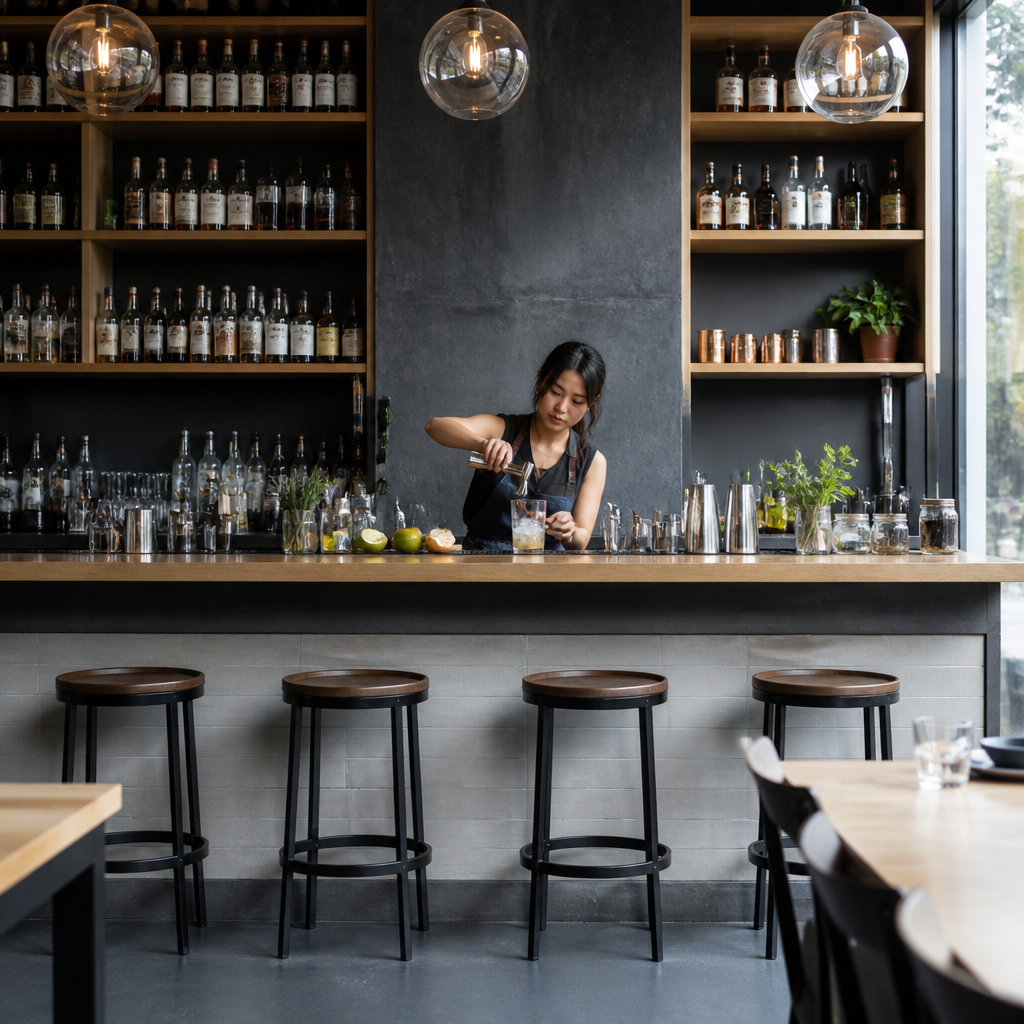
Craft cocktails are defined by Dr. David Wondrich, a prominent cocktail historian, as “beverages that emphasize handcrafted preparation, premium and often locally sourced ingredients, and creative flavor combinations that transcend industrialized mass-market products.” Key characteristics include fresh garnishes, artisanal spirits, and small-batch bitters that elevate the drinking experience. The craft cocktail movement emerged in the early 2000s as a response to homogenized bar offerings and has since influenced a renaissance in cocktail knowledge and appreciation globally.
Statistics from the US National Restaurant Association (2022) show that 38% of consumers prefer hand-crafted cocktails over conventional drinks, indicating persistent demand for authenticity and flavor complexity. Hyponyms of this category include tiki drinks, classic cocktails like the Old Fashioned, and contemporary creations incorporating exotic botanicals or house-made infusions, each contributing to the diversity and depth of the movement.
This appreciation for quality and innovation in craft cocktails naturally sets the stage for integrating health-conscious elements, transitioning from traditional indulgence to mindful consumption.
Health-Oriented Alcoholic Beverages Emerging from Craft Cocktail Culture
The rise of health-oriented alcoholic beverages defines a new category focusing on lower calories, natural ingredients, and functional benefits such as antioxidants or adaptogens. Professor Sarah Bowen of the University of California explains, “Health-focused alcohol represents a convergence of wellness trends with cocktail culture, emphasizing moderation, ingredient transparency, and added health-promoting components.” Key attributes include reduced sugar content, lower alcohol by volume (ABV), and the incorporation of superfoods or herbal extracts.
According to Mintel’s 2023 report, 45% of Millennials and Gen Z consumers prefer drinks with health benefits or natural ingredients when choosing alcoholic beverages. Subcategories include:
- Hard kombuchas and fermented drinks with probiotics
- Low-ABV spritzers and aperitifs infused with botanicals
- Functional spirits with adaptogenic herbs and vitamins
These products align with the craft cocktail ethos by maintaining quality and flavor while addressing wellness concerns.
Low- and No-ABV Innovations
Low- and no-alcohol beverages have gained traction as consumers seek healthier social drinking options. The Brewers Association reports that low-ABV craft cocktails now constitute 12% of total cocktail sales in urban bars across the U.S. This segment includes alcohol-removed wines, spirit alternatives, and carefully crafted mocktails that replicate complex flavor profiles. The trend supports reduced alcohol intake without sacrificing the social and sensory experience.
Functional Ingredients in Alcoholic Beverages
Functional alcoholic beverages incorporate ingredients that deliver added health benefits beyond basic nutrition, such as antioxidants from green tea, adaptogens like ashwagandha, or anti-inflammatory turmeric. These innovations cater to a consumer base prioritizing holistic well-being, supported by research published in the Journal of Food Science (2023), which highlights growing interest in integrating functional botanicals with alcohol in moderate amounts.
Shifting Cultural Attitudes Towards Alcohol Consumption
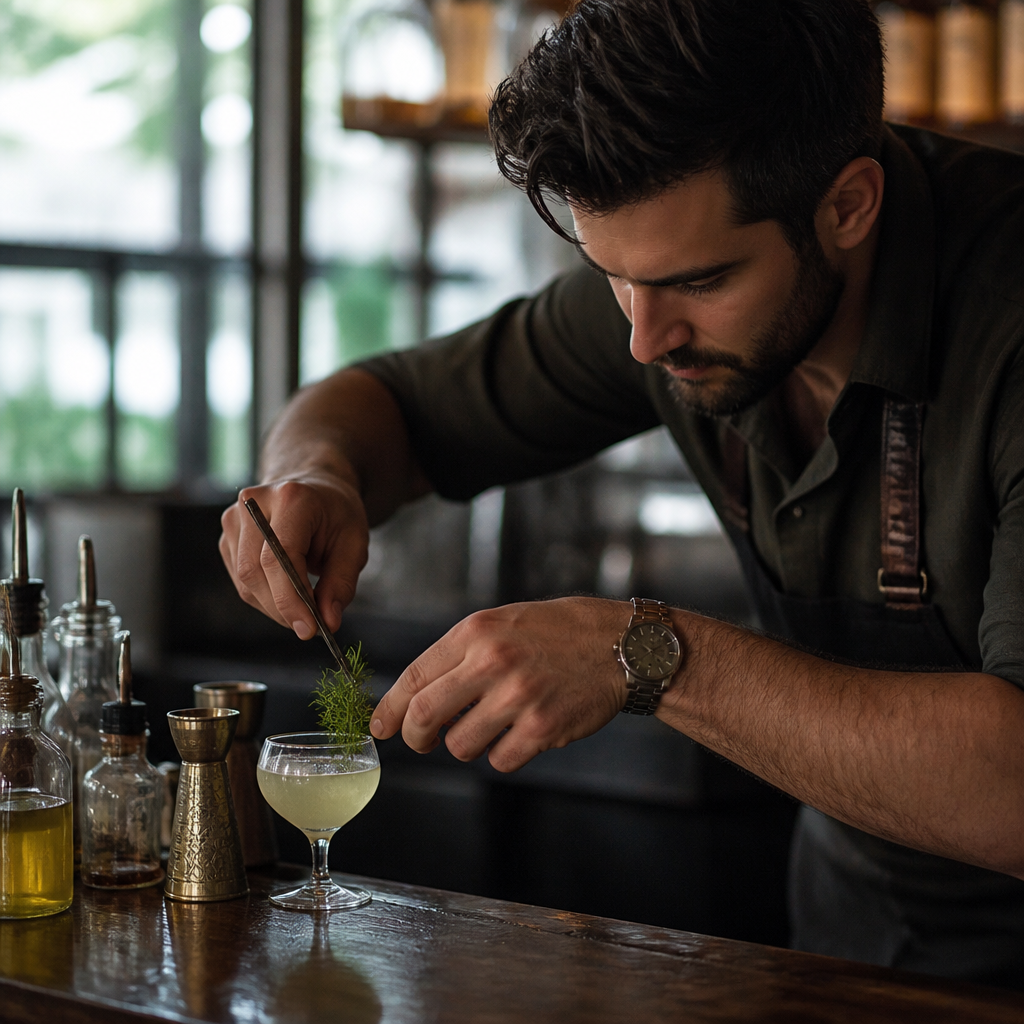
Cultural perceptions of alcohol are moving from traditional indulgence toward moderation and wellness. Sociologist Dr. Emily Johnson notes, “There is a growing societal emphasis on mindful drinking, reflected in the popularity of sober-curious movements and the integration of health principles into drinking rituals.” Surveys by Nielsen Reveal (2022) found that 37% of U.S. consumers deliberately reduced alcohol consumption for health reasons, with a similar trend observable in urban centers worldwide, including Bangkok and Singapore.
This shift influences the rise of social settings where health-conscious alcoholic options are prioritized, changing the role of alcohol from mere entertainment toward an expression of lifestyle and self-care.
Market Trends and Future Outlook
Market analyses indicate that the global health-oriented alcohol market is expected to grow at a CAGR of 10.5% from 2024 to 2030, with Asia-Pacific as a key growth region. The fusion of craft cocktail expertise with health innovation offers significant opportunities for bars, beverage companies, and consumers alike. Future products are likely to feature personalized nutrition profiles, sustainable sourcing, and digital engagement through apps promoting mindful consumption.
Case studies from boutique bars in Tokyo and New York demonstrate successful adoption of low-ABV, botanical-infused cocktails, receiving critical acclaim and commercial success, validating the viability of this evolving trend.
Conclusion: From Artisanal Craft to Health-Conscious Drinking Culture
The transition from craft cocktails to health-oriented alcoholic beverages encapsulates a broader cultural shift toward mindful consumption and wellness integration. Craft cocktail culture’s emphasis on quality, creativity, and authenticity provides a natural foundation for developing drinks that support health without compromising flavor or experience. This evolution reflects changing consumer priorities, supported by robust market growth and social trends. As drinking cultures continue to adapt, opportunities abound for innovation, education, and responsible enjoyment, encouraging a balanced and health-aware relationship with alcohol.
For further reading, industry professionals and consumers are encouraged to explore publications such as the IWSR’s annual beverage trend reports, and academic journals focusing on food science and public health.